Who are the most successful Grand National trainers?
By Charles Perrin
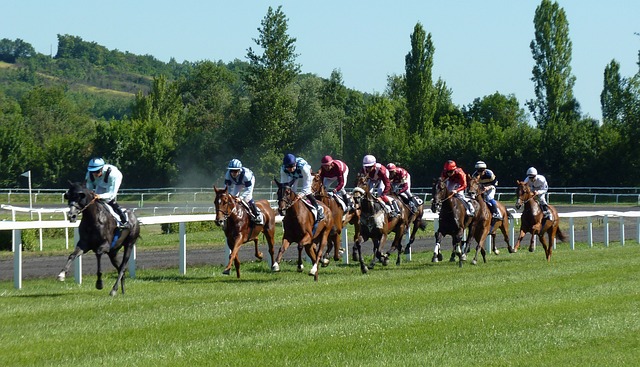 Widely lauded as the most cherished event in the British horse racing calendar, the Grand National is steeped in history and its origins can be traced as far back as the early 1800s.
There have been a plethora of runners and riders that have evoked strong memories of this blue-riband event. The race is akin to a lottery as there are roughly 40 hurdles to negotiate during the Aintree showpiece that covers over two miles and it is a test of endurance as much as it is skill.
It seems at times that the trainers are often overlooked in the tapestry of this wonderful event. But who are the Grand National’s most successful trainers? We will run through a few of them in this reflective piece.
Fred Rimell
A fabulous rider in his day as he was crowned champion jockey on four occasions, Fred Rimell made the seamless transition as a trainer. Yes, he wove himself into the fabric of the Grand National by saddling four winners.
Indeed, Rimell entered Grand National folklore with success preising over the success of ESB (1956), Nicolaus Silver (1961), Gay Trip (1970), and Rag Trade (1976). Rimmell was a formidable trainer during the post-war period and he was named champion trainer on five occasions.
Although Rimell died in 1981, his legacy was cemented, and his exploits at Aintree won’t be forgotten about in a hurry.
George Dockeray
Rimell isn’t the only four-time winner on this list! No, George Dockeray also left an indelible impact at the Grand National, but his achievements came in the early editions of the race.
Dockeray enjoyed success with the following fancied chances — Lottery (1839), Jerry (1840), Gaylad (1842), and Miss Mowbray (1852). However, Lottery holds the unenviable record of posting the slowest winning time (14 minutes and 53 seconds), and while a lot has changed since Dockeray was around, he was an innovative trainer in his day.
Ginger McCain
Also in the four-time winner club is Ginger McCain. Yes, the name McCain is synonymous with Aintree success. He was responsible for developing a horse with dodgy legs Red Rum who had virtually unparalleled success at the Grand National with three wins (1973, 74, and 77). Sadly for Red Rum, injury ruled him out in 1978, and he was retired, but his celebrity status was undeniable.
Anyway, McCain had to wait a further 27 years for Aintree glory when Amberleigh House stormed to the winning post in 2004. McCain, who died after a short illness in 2011, was rather straight-talking as a trainer, but he relished basking in the public’s affection for him.
Gordon Elliott
Rounding off this celebrated list is Gordon Elliott. With three wins under his belt, Elliott made his mark, and he will be inextricably linked to his feats in developing and refining the mesmerising talent of Tiger Roll.
Although Red Rum was an undoubted star of his day, Tiger Roll was a powerhouse in his own right, and he would often leave his rivals trailing in his wake. Back-to-back victories in 2018 and 2019 pay testament to this, and had it not been COVID, then maybe he would have added to his success. Well, the 2020 version was a digitally staged race, and Tiger Roll faded to finish fourth, but we probably ought not to count that one!
The Grand National continues to captivate the interest of horse racing enthusiasts, and there will be many sportsbooks scrambling around to offer prices for the prestigious race. Horse racing fans won’t find problems locating competitive futures or pre-race odds for the biggest National Hunt meet.
While Gordon Elliott will be fondly remembered for his Grand National exploits, he is one of the best in the industry, and success has come easily to him.
Final Thoughts
The Grand National, as we have seen, has been imbued with plenty of memorable moments over the years, and the trainers deserve to take plenty of credit for making the event as engaging as it is.
We paid attention to the four aforementioned trainers as they had the biggest impact, and in particular, there have been few horses in recent times that can be spoken of in the same breath as Red Rum and Tiger Roll. Perhaps they wouldn’t have been the horses they were without the help of McCain and Elliott, and this underlines the influence that trainers have had in the making of Grand National winners.