Essential Gear for Jockeys: Balancing Functionality and Comfort

In horse racing, every little detail matters. A jockey’s equipment is more than just an outfit; it’s the key to giving a peak performance, not to mention staying safe and communicating with a horse. In a jockey’s kit, you’ll find items like equestrian spurs by Equijump that enable close control over their mounts in high-stakes races. Whether they’re in training or competition, gear makes all the difference.

The Jockey’s Toolkit: Form Meets Function

A jockey’s gear is a complex system that should work in harmony to keep them comfortable and in control. From a race saddle to masks and blowers for horses, every item has a specific purpose. Equestrian spurs are more than a stylish statement. They also help a jockey use the most subtle cues to control a horse, as long as they’re not using blunt ones that’ll hurt a horse.

The Comfort Factor in High-Pressure Environments

Races can be tough on riders and jockeys shouldn’t have to deal with gear that hampers their ability to do their job. They need to be as comfortable as can be, which includes picking one for that makes a horse comfortable. Besides, ill-thought-of equipment can become a source of distraction or injury.

For instance, spurs that are either ill-fitting or particularly heavy can put a jockey’s focus to the test. If there’s one thing a race shouldn’t stand in the way of, that is control. Equijump spurs are engineered to be comfortable, with an ergonomic design that allows jockeys to focus on what they do best: race.

Gear That Stands the Test of Time

Another thing to consider about a jockey’s gear is how long it can last. Typically, equipment goes through a lot of wear and tear on any given day, from the moment riders head out for morning training to when they’re done running a race in the afternoon. It’s understandably frustrating to have to go through boot after boot, helmet after helmet, spur after spur.

When it comes to spurs, Equijump’s designs can be trusted for extra longevity. The brand uses quality materials that can withstand the test of time and this has made its equipment a favorite with the pros.

Tips for Choosing the Best Gear

Finding gear that works for any rider is not just about how it fits or what it does; it’s also about how long it lasts. In most cases, riders go through a host of equipment in a day, so they need to make sure they have only the best that allows them to work longer and harder in this competitive sport.

The right equestrian spurs must allow influence without discomfort and must last. Certain innovations, like anti-slip technology, are great for jockeys wanting to ensure they have more control. This material also prevents any potential discomfort from the equipment.

More Than Just Tools: Gear as a Competitive Edge

Every piece of equipment a jockey uses is a part of the master plan. A great saddle, lightweight racing silks and the perfect equestrian spurs can be the difference between coming first and last. When the pressure is high and a lot depends on the jockey, having reliable gear makes the difference in being at the head of the pack as you cross the finish line. It can also help in controlling and guiding the horse in the manner that you see fit.

How many Group 1, or Grade 1, winners has a Ralph Beckett trained?

Formerly assistant trainer to the late Peter Walwyn at Windsor House Stables in Lambourn, Berkshire, for three and a half years, Ralph Beckett began training in his own right in 1999. He saddled his first runner, John Company, in a maiden stakes race at Wolverhampton on November 27, 1999 and in the early years of his career lived hand-to-mouth existence.

However, after becoming a tenant at Whitsbury Manor Stud, near Fordingbridge, Hampshire, in 2006, Beckett saddled his first Group 1 winner, Look Here, in the Oaks at Epsom on June 6, 2008. In 2010, he bought his current base, Kimpton Down Stables, near Andover, and since then his career has continued to blossom.

Fast forward to 2024 and, at the time of writing, in the calendar year so far, Beckett has saddled 122 from 610 runners on British soil, at a strike rate of 20%, and amassed £3.79 million in total prize money. He currently lies sixth in the British Flat Trainers’ Championship, but he has enjoyed a standout season at home and abroad.

He has added four more to his Group 1 tally, courtesy of Bluestocking in the Pretty Polly Stakes at the Curragh in June, the Prix Vermeille at Longchamp in September and the Prix de l’Arc de Triomphe, also at Longchamp, in October and You Got To Me in the Irish Oaks, also at the Curragh, in July. Beckett also saddled his first Grade 1 winner in the United States, Starlust, in the Breeders’ Cup Turf Sprint at Del Mar in November, thereby taking his career total of Group 1, or Grade 1, winners to 18.

Tips for Maximising Racehorse Performance

There are many factors that can influence a racehorse’s performance. These include its diet, training, care as well as its genetic qualities which are largely determined by its thoroughbred breeding.
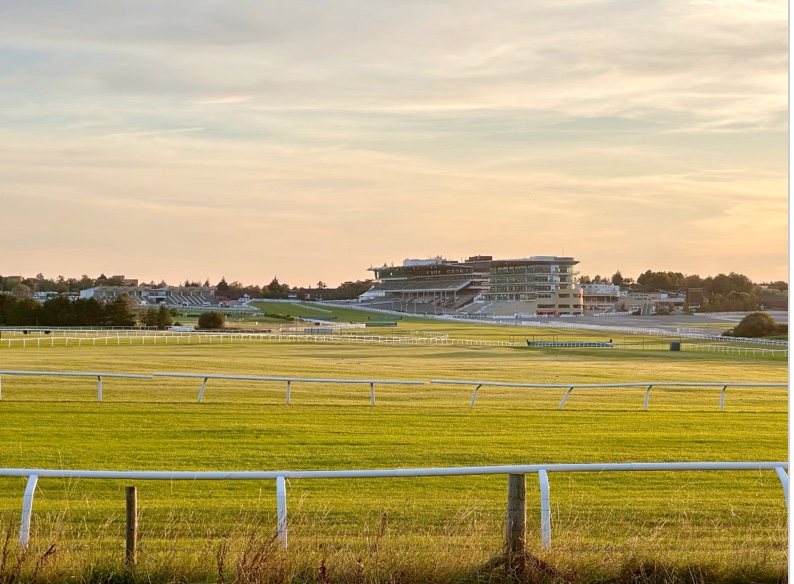
 

A thoroughbred racehorse typically gallops at around 30 miles per hour, on average, however, the fastest speed ever recorded was 43.97 miles per hour. To help maximise racehorse performance, this article has outlined some tips and techniques that can improve the chances of success on the race track.


Endurance Training

According to research, endurance training in horses changes the metabolic profile of their skeletal muscles, helping them become more efficient at using energy, especially from fat. Training a racehorse for endurance can entail running specific distances each day, beginning slowly and gradually building up pace.  Alternatively, trainers can begin training sessions with speed and gradually increase the distances over which the horse runs.


A varied course and training routine can ensure a horse remains enthusiastic and exerts effort during its training exercises. It can also ensure it does not become complacent or bored and begins to disregard its trainer’s commands.


Feed and Supplements

The right diet will ensure a racehorse has the fuel it needs to run long distances at high speeds. Small grain meals that are fed frequently and are rich in fats, protein, and carbohydrates are ideal for giving a racehorse the energy it requires. High-starch grains can also be fed a few hours before a race to help a horse utilise its energy more effectively.


Supplements containing Adenosine Triphosphate (ATP) leading up to a race can also improve stamina, performance, and recovery in racehorses. Research published in the MSD Veterinary Manual shows that following high-energy workouts, muscular ATP levels decrease substantially. ATP supplements can help counter these drops and help in energy recovery following intense bouts of exercise and training.


Check Breathing

During intense exercise, the respiration rate of a racehorse can be as high as 120 breaths per minute. As a result, any factors that impede its breathing can have a significant impact on its performance. Whether it’s a cough, nasal congestion, or airway obstruction, breathing difficulties should be investigated as they can reduce the horse’s endurance and speed.


In mild cases, healthcare products specially designed for racehorses can ease or cure a cough. These typically contain menthol or eucalyptus to help soothe the horse’s throat and clear its airways, enabling improvements in breathing. It’s also vital to ensure the horse’s living quarters are free from dust, mould or other contaminants that could cause respiratory problems and place stress on the horse’s lungs.


Recovery Techniques

Following exercise, proper recovery is crucial for maintaining peak performance in racehorses. Certain techniques can be implemented to help muscles recover and relieve soreness or the risk of injury. These include massage therapy, stretching, hydrotherapy, and acupuncture.


Active cooling, through specialised cooling sheets or hoses, can help lower a horse’s body temperature following a workout, while electrolytes can help to rebalance lost fluids during intense activity.


By following these tips, trainers can ensure their racehorses are healthy and in peak performance for race day.

How many times did Martin Pipe win the Paddy Power Gold Cup?

Inaugurated, as the Mackeson Gold Cup, in 1960 and known by that name until 1995, the Paddy Power Gold Cup is, nowadays, a ‘Premier Handicap’ steeplechase run over two and a half miles on the slightly sharper Old Course at Cheltenham Racecourse. Worth £150,000 in guaranteed prize money, the Paddy Power Gold Cup is the feature race of the three-day November Meeting at Prestbury Park.

To readers of a certain age, Martin Pipe requires little or no introduction. However, for those unfamiliar with the name, Pipe revolutionised the art of training racehorses, winning the National Hunt Trainers’ Championship 15 times, including 10 consecutive titles between 1995/96 and 2004/05, before retiring, due to ill-health, at the end of the 2005/06.

Among his other achievements, two decades after his retirement, Pipe remains, by some margin, the most successful trainer in the history of the Paddy Power Gold Cup. All told, the erstwhile Master of Pond House saddled eight winners, starting with Beau Ranger, ridden by Mark Perrett, back in 1987.

Then followed Challenger Du Luc (1996), ridden by Richard Dunwoody. Cyfor Malta (1998), Lady Cricket (2000) and Shooting Light (2001), all of whom were ridden by Sir Anthony McCoy, and Cyfor Malta (2002) again, although he was ridden on the latter occasion by Barry Geraghty. Pipe completed his octet of winners with Celestial Gold (2004) and Our Vic (2005), both of whom were ridden by Timmy Murphy and, like Challenger Du Luc, Cyfor Malta and Lady Cricket, owned by the Johnson Family.

1 … 24 25 26 27 28 … 155