 Cheltenham Festival is one of the biggest horse racing events in the UK and across the globe, having jockeys, trainers and horses from all over the world taking part. The four day event accumulates over 250,000 attendees, making it one of the biggest sporting events of the year.
However, recent outrage over the finances surrounding how much it costs to attend the festival has caused discussion and panic for those wanting to attend. So, let’s dive into how much it may cost you to attend Cheltenham Festival which sees its annual spectacle kickstart in just over a week’s time.
Tickets For The Festival
Ticket prices can vary depending on a variety of different factors such as the race days you attend and the enclosure that you select. Prices for the race day only can range from around £45 all the way to £180. The most popular day is the Gold Cup day, the biggest and most anticipated race during the four-day event, which takes place as the grand finale on the final day.
There is typically a high demand for tickets, while it is best to book them well in advance of the race day that you are attending to ensure you reserve your spot, there are always options available online which will have a cut off time just a few hours before the action starts on each day. Hospitality tickets cost a great deal more as they include their own suites; some are private and cater for food and drink such as the Lounge or premium areas in the Guinness Grandstand. These tickets can cost anywhere from £150 up to £1000.
Betting
Gambling is part of the culture revolving around horse racing including Cheltenham Festival.. There are plenty of different bookkeepers dotted around the racecourse to place bets on the races. Not only can punters place these bets in person, but gambling apps can also allow you to place bets on different races from your phone. This can even be done from home without even attending the festival. An investigation found that over £500 million was staked on the action at Cheltenham Festival in 2022, with £350 million being placed on different outcomes regarding the Gold Cup alone.
It is down to the individual how much they stake or even if they want to place a bet at all. An alternative option is available through a range of different Cheltenham free bets which could be utilised during the event, too. Placing bets is one of the costs that can be avoided at Cheltenham of course, and those partaking are always reminded to gamble responsibly and view this aspect of the experience as a form of entertainment.
Food and Drink
Food and drink packages can be booked for Cheltenham as a part of an exclusive package, including hospitality drinks and meals; up to six courses are available, though this is one of the more pricier options. The cheapest hospitality dining experience package costs around £350 at the Mandarin Restaurant, with the most expensive reaching over £2000 in areas such as the Panoramic Restaurant and Chez Roux Restaurant.
For the standard ticket holders, there are plenty of different food choices. There are up to 400 chefs on Gold Cup day and over 35 kitchens on site, making it easy enough to get a bite to eat while you’re there. Street food vans are the most common features, with options such as pies, fish and chips, burgers, pizzas, and hotdogs, as you would expect.
Cheltenham Festival, like all race meets, is well known for social gatherings between groups of friends who raise a glass to the occasion. There are plenty of venues where people can purchase refreshments from with a wide variety of different options. A study of the 2024 Cheltenham Festival found that more than 265,000 pints of Guinness alone were consumed, and that is just one of the numerous drink options available. A glass of wine can cost around £10, with pints not being far off, starting at around £7.50 depending on the pint of choice and spirits from around £7 onwards. For a soft drink or bottle of water, you will be looking at around £3.
Accommodation
Accommodation is a very costly factor that is necessary when attending the festival. Hotel prices have been known to rise over 650% for the Cheltenham Festival week, making prices extortionately high and being a big financial issue for people who want to attend. Some hotel chains use ‘dynamic pricing’ methods, meaning that room prices can drastically increase due to high demand. Hotels around Cheltenham have been known to charge upwards of £800 a night without VAT, roughly a total of £1200 per night. This is an increase of over £1000 if you wanted to book a room for 3-4 days prior. These price increases were not met with positive feedback from the public and have caused a lot of controversy in recent years.
To Conclude
Attending the pinnacle of jump racing at Cheltenham is an experience like no other, and while accommodation may cause headaches, there is a wealth of options for tickets and dining. Whether you’re a seasoned racegoer or a first-time visitor, a little research goes a long way in making the most of your trip. One thing is certain – Cheltenham offers something for everyone, ensuring an unforgettable festival atmosphere from start to finish.
 Since Southwell Racecourse replaced its Fibresand racing surface, which had been in use since 1989, in late 2021, all-weather racing in Britain has wholly taken place on Polytrack or Tapeta surfaces. Tapeta was the surface of choice at Southwell, as it was, eventually, at Wolverhampton, which had previously raced on Polytrack and Fibresand, in 2014, and Newcastle in 2016. Chelmsford City, formerly Great Leighs, Kempton and Lingfield all race on Polytrack.
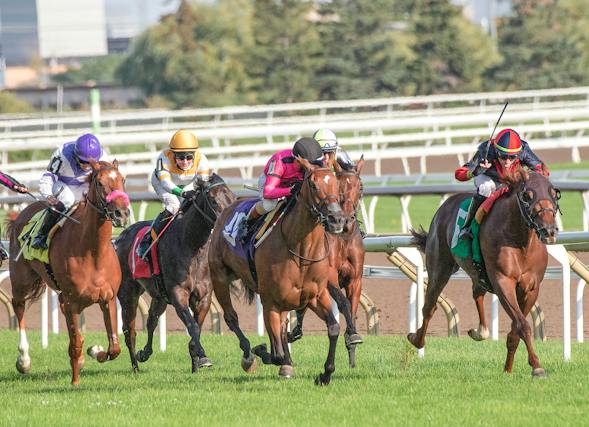 According to the British Horseracing Authority (BHA), approximately 60% of all horse races run in Britain are handicaps. The purpose of such races is to create parity between horses of differing ability by allocating them weights commensurate with the level of form they have shown on the racecourse. Theoretically, at least, each horse has an equal chance of winning, so handicaps are, by definition, competitive and provide an exhilarating spectacle for spectators, particularly those who like to have a bet.
 The short answer is yes, there was, along with a Welsh Oaks and a Welsh St. Leger, although all three races have long since fallen the wayside. The first Welsh Derby was staged at Chepstow Racecourse – which, itself, had only opened the previous August – in 1927 and offered £2,000, or just over £100,000 in modern terms, in total prize money. The inaugural winner was Chantrey, trained by Alec Taylor Jr., a.k.a. ‘The Wizard of Manton’, and ridden by Belgian-born jockey Henri Jellis.