
Horse racing involves elegant beasts racing down a track layout. The full scene includes a waving and cheering crowd and betting enthusiasts trying to forecast possible outcomes. All this adds to the flavor of endless entertainment and a chance to win cash prizes.
Fortunately, online betting now offers the opportunity to place wagers globally without being physically present. Although this sport occurs only in certain locations, it has a large following worldwide. You’ll need top strategies to navigate the several hoops to win like a pro. This article buttresses all the fundamentals of having a game plan to win.
Calculating the Odds of Horse Races
In calculating horse racing odds, two formulas or formats stand out. They form the basis that bookmakers use to specify between each contestant. Besides, it’s also great to determine the potential payout. Understanding this lays the foundation for building more advanced strategies. Most of the best PayPal casino sites offer high probability rates and excellent payment methods. Combine this with the bonus, and you’re off to a great betting start.
Decimal Odds
The decimal odds indicate the full payout potential, including the original wager. You can get the figure by using the following formula:
Bookmaker’s odd = 1/ decimal odds.
For instance, if the odds stand at 4.0:
Bookmaker’s odd = 1/4.0 = 0.25 or 25%
Hence, the chances of the particular horse winning stand at 25%.
Fractional Odds
Fractional odds estimate the potential payout minus the original stake. Here’s a format to get the probability of winning using the formula.
Implied probability = denominator / (denominator + numerator).
For instance, if the odds stand at 3/1:
The winning probability = 1/(1+3) = 1/4 = 0.25.
Using any formula clearly assesses what each horse can win for you. Moreover, it’s a great comparison tactic, which remains a key expert tip when betting. Remember that they do not provide winning accuracy, and odds may change depending on the number of bets the casino receives. Hence, checking the site out before staking is essential.
Looking for Clues in Past Performance Records
Another key strategy for horse betting includes studying past records. You can make better decisions using this tactic or gain insight for a contestant. Here are some tips to use when comparing previous performances.
Research Previous Racing Data
Gather as much data as possible from various sources. They can include databases, racing websites, and publications. When scraping the statistics, pay special attention to details like final finishing position, conditions of tracks, date of race, trainer, distance covered, and other similar pieces of information.
Interpret the Statistics
Previous performance data often comes in a specific format, referred to as a race card or program. While we will discuss how to read it soon, remember to consider the critical information pieces mentioned above. They will help provide a comparative analysis for determining which horse is worth taking on.
Check out the Recent Form
A common tip to win is to check out the performance of the most recent races. Parts of the indicators include confirming the winning or losing margins, finishing position, and competition type. In addition, it’ll be great to look out for potential patterns the horse may have displayed, whether in a declining or improving format.
Evaluate Track Conditions
Next, check how well the horse performed on different tracks in different conditions, like turf, wet, or fast. Some have peak outcomes at varying grass levels, and others struggle. This metric will help you calculate faster and make better decisions.
Confirm the Trainer’s Performance
Another important metric is to check out the horse’s trainer. Consider the winning percentages, track records, and successes of other horses. Jockeys and trainers play huge roles in horses performance at the track.
Learning How to Read a Race Card
Studying and understanding the race card is one of the best features of developing an effective horse betting strategy. Besides making good decisions, you can also use it to make comparisons. Here’s a guide on how to properly read the program.
-
Race Information. The initial details on the card include the track’s name, number, distance to be covered, surface type, and conditions (age and sex).
-
Post positions. All horses get a starting position number, showing the gate they will be at the start. It appears in numerical order.
-
Saddlecloth number and name. The race card also carries the name of the horse participating in the race. It also contains the saddlecloth number the jockey will wear during the race.
-
Weight. The program also specifies the horse’s weight. It should also indicate if there are changes to the weight due to rotations in equipment or training.
-
Jockey and trainer. Next, you will find information on the names of the trainer and jockey for each horse contestant. Their reputation also provides insight into the type of training the horse receives.
Closely studying the information allows one to know what horse to stake. Moreover, it lets you decide which betting type to select, including the racing conditions. It’s important to consider the different options available and use them to make a plan.
Understanding the Different Types of Bets Available
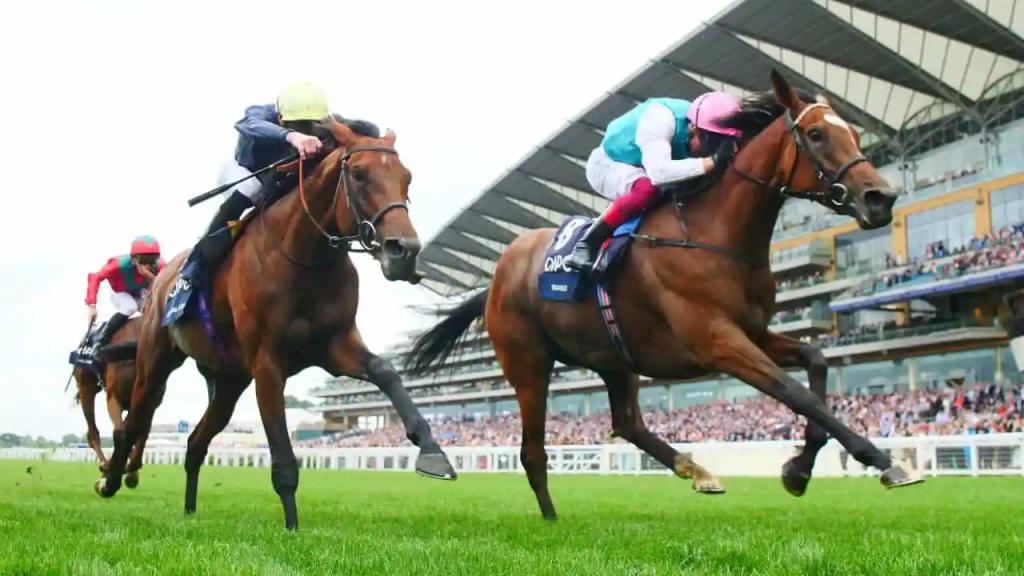
Like other sports events, horse racing attracts different types of betting. However, you can easily get confused by the terminology. Hence, studying the varieties available before the wagering is essential to begin betting. Here is a review of popular types of bets.
Win Bet
This is the most straightforward type available. Also known as “Straight Out,” it stakes on a horse to win a particular race. If the horse loses, the wager goes to the casino.
Place
The place bet focuses on whether a horse will finish in the first or second position. However, depending on field size, some casinos allow the wager to cover the third place. This wager is limited to the first two positions if the track only allows eight runners.
Starting Price (SP)
The SP betting type covers an average of the bookmaker’s odds and prices before the beginning of any race. However, no one punter knows them when placing a wager. For instance, if you have a $100 stake in a horse to win an SP at a price of $3.40. If the wager wins, you get a $340 payout.
Taking Time to Research and Plan Your Betting Strategy Before Placing a Wager
Taking all the metrics into consideration should help you draft a good plan. However, it’s essential to look out for what experts use in betting and add to your knowledge. Some of the best places to check which tactics work are pro tipsters and discussion forums.
We recommend studying each point you gather. Not all strategies are 100% fail-safe, but you can gain an idea to apply to the next tactic. However, be prepared for losses and wins, and enjoy the adventure.
Conclusion
A stable plan and budget are essential as you get ready to bet on horses. Combining this with the diverse statistics will easily move you from novice to top bet tipster. There are several betting types available. Yet, starting with the basics is more than enough to build on the knowledge you already have.
Furthermore, strong control over the bankroll is another important strategy. It will depend on your betting session’s length and the betting options. However, remember to use the different stop loss types, combining them with the bet types available, to increase your winning chances.
 In the captivating world of horse racing, one exceptional equine athlete has soared to unprecedented financial heights – Golden Sixty. This extraordinary racehorse, hailing from Hong Kong, has shattered previous benchmarks and amassed a staggering fortune, firmly establishing himself as the epitome of success in the sport. With career earnings totaling an extraordinary HK$148 million, Golden Sixty’s remarkable journey transcends the boundaries of traditional horse racing narratives. He has galloped into the record books, leaving a resounding legacy that captivates enthusiasts worldwide. Displaying an indomitable spirit and an unwavering determination, Golden Sixty has captured the hearts of fans and etched his name into the chronicles of horse racing history.
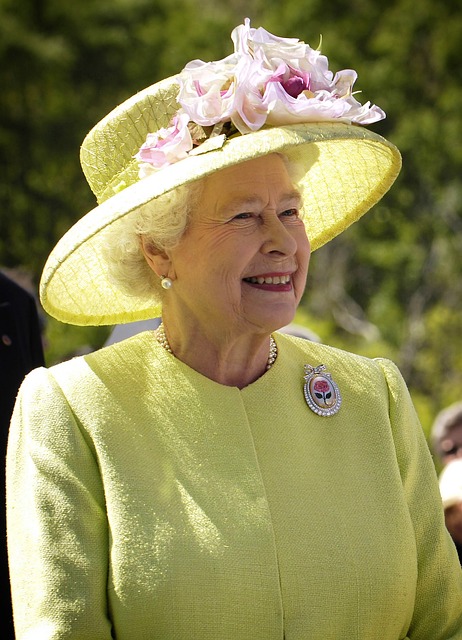 The ‘Coronation Derby’ was so-called because it was run on Saturday, June 6, 1953, just four days after the Coronation of Queen Elizabeth II. Indeed, the newly-crowned Queen was in attendance at Epsom Downs, alongside her husband, Prince Philip, Duke of Edinburgh, to watch her first Derby runner, Aureole. Bred by the late King George VI, Aureole had finished fifth in the 2,000 Guineas and comfortably won the Lingfield Derby Trial, so was sent off a well-fancied 9/1 chance, behind 5/1 joint favourites Pinza and Premonition, in the Epsom Classic.
 Run over 2 miles and 46 yards at Newcastle in late November or early December, the Fighting Fifth Hurdle has the distinction of being the first Grade 1 race of the National Hunt season over the smaller obstacles. The ‘Fighting Fifth’ was a nickname earned by the 5th (Northumberland) Regiment of Foot – latterly the Northumberland Fusiliers and nowadays part of the Royal Regiment of Fusiliers – during the Peninsula War against France in the early nineteenth century.