The Rise of Horse Racing Betting Sites

Horse racing betting sites not on Gamstop are becoming the go-to choice for many UK punters looking for greater freedom, better odds, and a wider selection of betting markets. With GamStop restrictions making it harder for self-excluded players to place wagers through UKGC-licensed bookies, these offshore platforms offer a legal alternative. They operate under international licences, such as Curaçao or Anjouan, and accept British customers without being bound by UK self-exclusion rules.
In the fast-paced world of horse racing, punters value flexibility. Whether it’s placing a bet on the Cheltenham Gold Cup, the Grand National, or international races like the Melbourne Cup, non-GamStop horse racing sites provide instant access without the limitations of UK-regulated operators. For many, the biggest draw is that these bookmakers combine traditional fixed-odds betting with modern features such as live streaming, in-play markets, and early cash-out options.
Why More Punters Are Turning to Offshore Horse Racing Bookies
One of the main appeals is the sheer variety of races covered. UKGC-licensed betting sites often focus primarily on domestic and high-profile international events, but non-GamStop platforms tend to offer extensive coverage of smaller and niche races worldwide. This means bettors can explore betting opportunities in Ireland, Australia, the US, South Africa, and even less publicised racing scenes like Scandinavia or Asia.
Additionally, offshore operators are known for competitive odds and generous promotions. Without UK tax and compliance costs, many can offer better prices on favourites and longer odds on outsiders. They also frequently run boosted-odds specials, enhanced each-way terms, and reload bonuses tailored to horse racing enthusiasts.
Flexible Banking and Fewer Restrictions
Payment flexibility is another strong advantage. Non-GamStop horse racing betting sites often accept a broader range of payment methods, including crypto, e-wallets, and international bank transfers. Some even allow wagers in multiple currencies, which can be especially useful for frequent travellers or high-stakes bettors.
Unlike UK-regulated sites, there are fewer stake limits and fewer restrictions on bonus usage. This gives experienced punters more control over their strategies. For those who prefer a higher-risk, higher-reward betting style, this flexibility is a game-changer.
Finding Trusted Non-GamStop Betting Platforms
Of course, not all offshore bookmakers are created equal. Reputation, licensing, and customer feedback matter just as much as odds and bonuses. That’s why it’s essential to choose platforms that have a proven track record for timely payouts, fair odds, and quality customer support.
At this point, it’s worth noting that Betting Sites Not on Gamstop is a great resource for discovering vetted and trusted operators. Their team reviews each site based on safety, market variety, and user experience, ensuring players can enjoy the benefits of offshore betting without unnecessary risks.
Tips for Betting on Horse Racing Outside GamStop
1. Study Form and Conditions – Non-GamStop sites may offer more races, but it’s still important to research the form of horses, jockeys, and trainers before placing bets.
2. Shop for Best Odds – With more bookmakers to choose from, comparing prices can make a significant difference to potential returns.
3. Use Bonuses Strategically – Many sites offer free bets or matched deposits; using these wisely can increase your bankroll without extra risk.
4. Practice Responsible Gambling – Even with fewer restrictions, set limits for yourself to ensure betting remains enjoyable.
The Future of Non-GamStop Horse Racing Betting
With the continued rise of international operators catering to UK players, it’s likely that non-GamStop horse racing betting will keep growing in popularity. The combination of market variety, competitive odds, and unrestricted access makes these platforms an appealing choice for both casual and serious bettors.
For punters who want to enjoy a wider betting landscape, avoid GamStop restrictions, and access unique racing markets worldwide, exploring reputable non-GamStop bookmakers is a smart move.
 In National Hunt racing, over hurdles or fences, ‘seeing a stride’ refers to the ability of a jockey not only to identify the point at which, ideally, a horse should leave the ground to negotiate an obstacle successfully, but also to ride positively to reach that point. To position a horse optimally – that is, close to the base of an obstacle, but not so close as to impair take-off – a jockey must consider the characteristics of the horse, in terms of balance, suppleness and temperament and, of course, its stride length, as well as the nature of the obstacle. Of course, the different types of obstacles include hurdles, plain fences and open ditches; the tallest and broadest fence on the Grand National Course at Aintree, known as ‘The Chair’, is 5’3″ high and 9′ wide, including a 6′ wide ditch on the take-off side. A horse typically has a stride length between 9′ and 12′, so will cover at least that distance in the air and possibly further, if the obstacle is wider. Nevertheless, while momentum is required to jump larger obstacles, a jockey must avoid ‘kicking on’ too hard, which can lead to jumping errors, loss of confidence and injury to horse and rider.
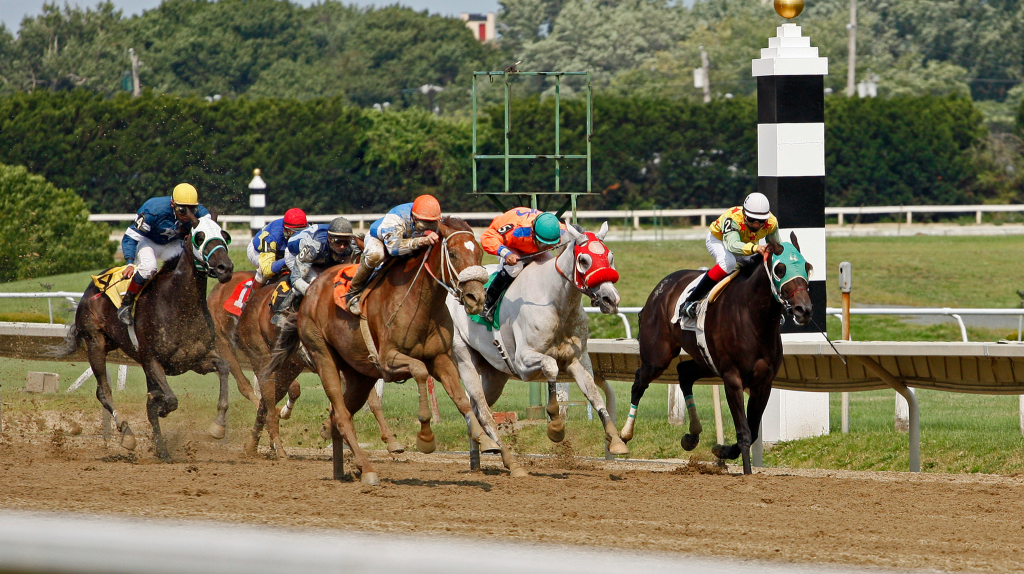 Horse racing, that time-honored and elegant sport, is experiencing its hushed but powerful revival. Gone are the dusty tracks, binoculars, and betting tickets, replaced by the new technology that is reimagining fan culture. Virtual reality, artificial intelligence, and social media connectivity are now empowering fans to experience the action differently, whether they’re at the track or halfway across the world. The previously elitist nature of horse racing is becoming more inclusive to mass audiences with the aid of electronic technologies to make the sport more convenient, interactive, and participatory.